


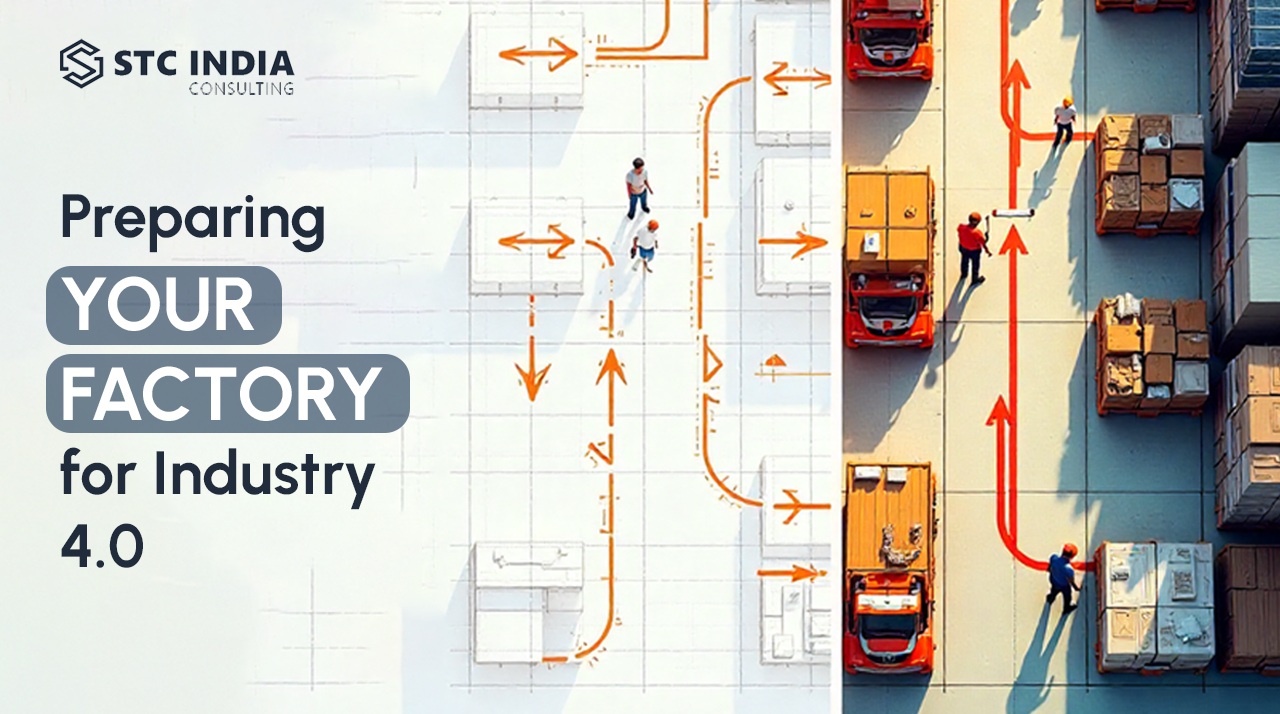
The manufacturing world is undergoing a seismic shift with the arrival of Industry 4.0—an era defined by interconnected systems, smart automation, and data-driven decision-making. Industry 4.0 promises to revolutionize factory operations, enhancing efficiency, quality, flexibility, and competitiveness. However, transitioning from a conventional factory to a smart factory requires careful planning, strategic investments, and organizational readiness.
Did you know that according to a report by Deloitte, smart factories can increase productivity by up to 30% and reduce operational costs by 20%? Yet, less than 30% of manufacturers worldwide have fully embraced Industry 4.0 technologies. This gap presents a huge opportunity for those ready to take the intelligent leap.

This article explores the essential steps manufacturers must take to prepare their factories for Industry 4.0 and unlock future-ready operations.
Dhanesh Sharma
Step 1: Assess Your Current Factory Maturity and Identify Gaps
Before plunging into new technologies, it’s important to understand where your factory stands in terms of digital maturity, processes, and workforce readiness. Conducting a comprehensive factory audit can uncover inefficiencies, outdated systems, and readiness levels across key areas.
Key actions:
- Evaluate existing machinery connectivity and automation.
- Map current workflows and data management processes.
- Survey employee skills related to digital tools and analytics.
- Identify quick wins and long-term investment areas.
Step 2: Develop a Clear Industry 4.0 Roadmap and Vision
A successful transformation requires a clear vision aligned with your business goals, whether that’s enhancing flexibility, reducing downtime, improving quality, or entering new markets. Based on the initial assessment, develop a detailed roadmap that prioritizes projects by ROI, complexity, and impact.
Tips for roadmap creation:
- Involve cross-functional teams including IT, operations, and management.
- Set measurable milestones and KPIs.
- Plan for scalable and modular technology implementations.
- Balance short-term gains with long-term strategic initiatives.
Step 3: Upgrade Infrastructure with IoT and Automation Technologies
At the heart of Industry 4.0 lies the Industrial Internet of Things (IIoT), which connects machines, sensors, and systems to enable real-time data collection and advanced analytics. Upgrading your factory with IoT sensors, wireless networking, robotic automation, and smart devices is critical.
Considerations for infrastructure:
- Start with pilot projects to test IoT use cases such as predictive maintenance or energy monitoring.
- Choose interoperable hardware and software platforms to avoid vendor lock-in.
- Ensure robust cybersecurity measures to protect sensitive factory data.
Step 4: Implement Data Analytics and Digital Dashboards for Real
The vast amount of data generated by connected machines is only valuable if converted into actionable insights. Implementing advanced analytics platforms and user-friendly dashboards enables factory managers to monitor KPIs, identify issues early, and make proactive decisions.
Key benefits include:
- Predicting equipment failures before breakdowns occur.
- Optimizing production scheduling based on demand forecasts.
- Reducing energy consumption through real-time tracking.
- Enhancing product quality through process monitoring.
Step 5: Train and Empower Your Workforce for the Smart Factory Era
The success of any technology upgrade hinges on the people who operate and maintain it. Workforce upskilling and cultural change management are essential to motivate adoption and maximize benefits.
Actionable steps:
- Conduct regular training sessions on new digital tools and data literacy.
- Foster collaboration between IT and shop floor teams.
- Encourage innovation and feedback for continuous improvement.
- Promote safety and cybersecurity awareness.
Step 6: Ensure Continuous Improvement and Compliance Alignment
Industry 4.0 is an ongoing journey, not a one-time project. Establish processes for continuous monitoring, feedback, and adaptation. Also, align new practices with industry standards and compliance requirements to mitigate risks and maintain market access.
Recommendations:
- Schedule regular process audits and technology upgrades.
- Update compliance documentation to include digital operations.
- Leverage data for sustainability and corporate social responsibility goals.
- Engage expert consultants for ongoing support and guidance.
Conclusion: Embrace the Future with Confidence and Expertise
Preparing your factory for Industry 4.0 may seem daunting, but the rewards in efficiency, agility, and competitiveness are invaluable. By following a structured approach—starting with assessment, building a roadmap, integrating smart technologies, empowering your workforce, and committing to continuous improvement—you can transform your factory into a smart, resilient powerhouse.
STC India stands ready to partner with manufacturers on this transformative journey. With expertise in architectural planning, IoT solutions, process optimization, and compliance consulting, we help factories embrace Industry 4.0 smoothly and successfully
Ready to unlock your factory’s smart potential? Schedule a free consultation with STC India today and take the first step toward your Industry 4.0 transformation.